What Should You Do Differently When Rebuilding After a Hurricane?
Rebuild with materials that tolerate water, raise what can be raised, and use the open walls as a chance to make the house stronger. And hire a licensed Florida contractor, because storms bring out unlicensed crews offering quick fixes.
Start by Documenting Everything
Before any cleanup or repair, photograph and video every damaged area, inside and out, and keep receipts for anything you buy to protect the house, like tarps, fans or dehumidifiers.
Good records help you, your carrier and your contractor understand what happened. Questions about your policy or coverage belong with your insurance company or a licensed professional who handles claims.
Choose Materials That Handle Water
Rebuilding exactly what was there often means rebuilding the same weak points. These materials hold up better when water comes back.
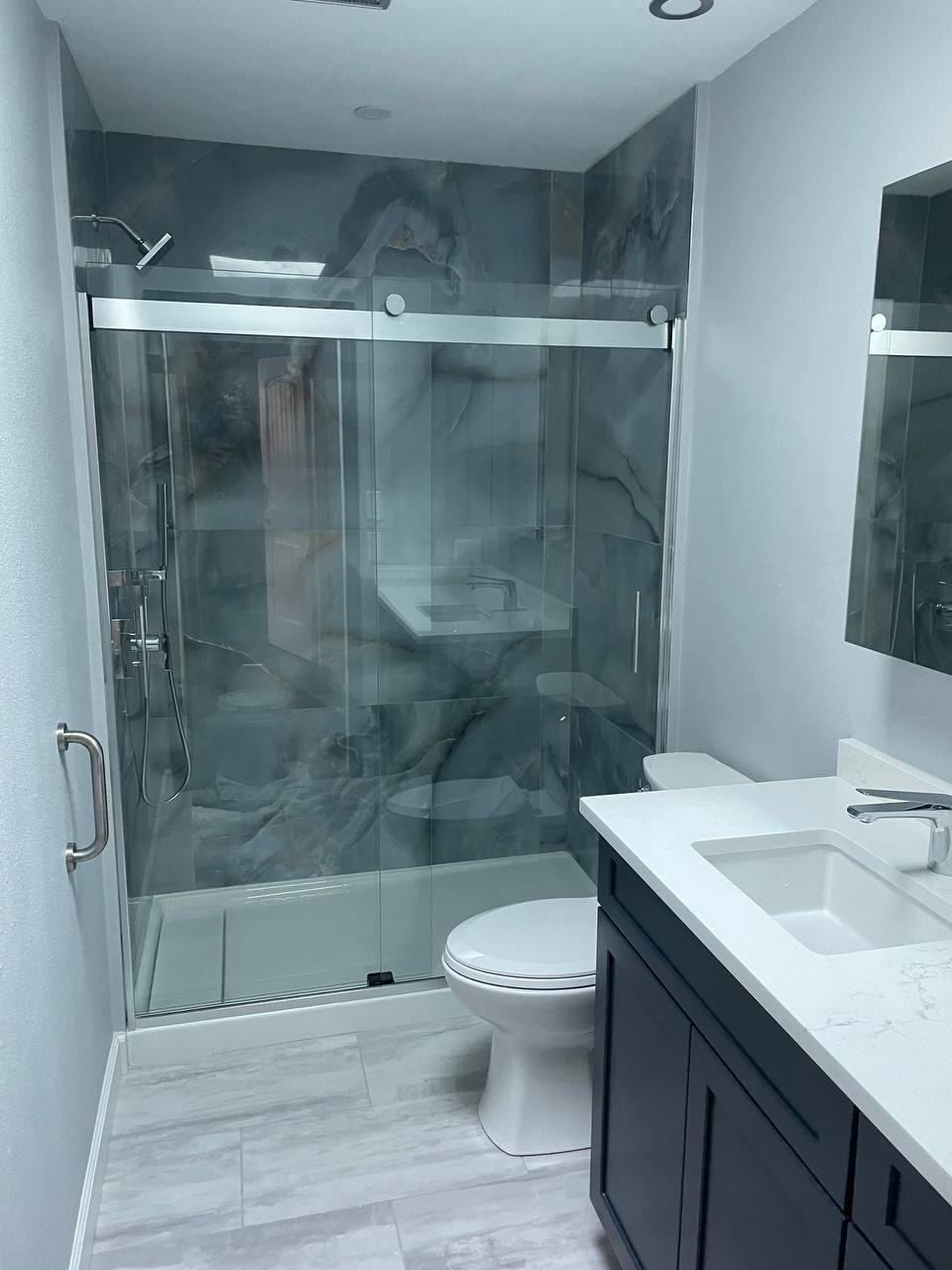
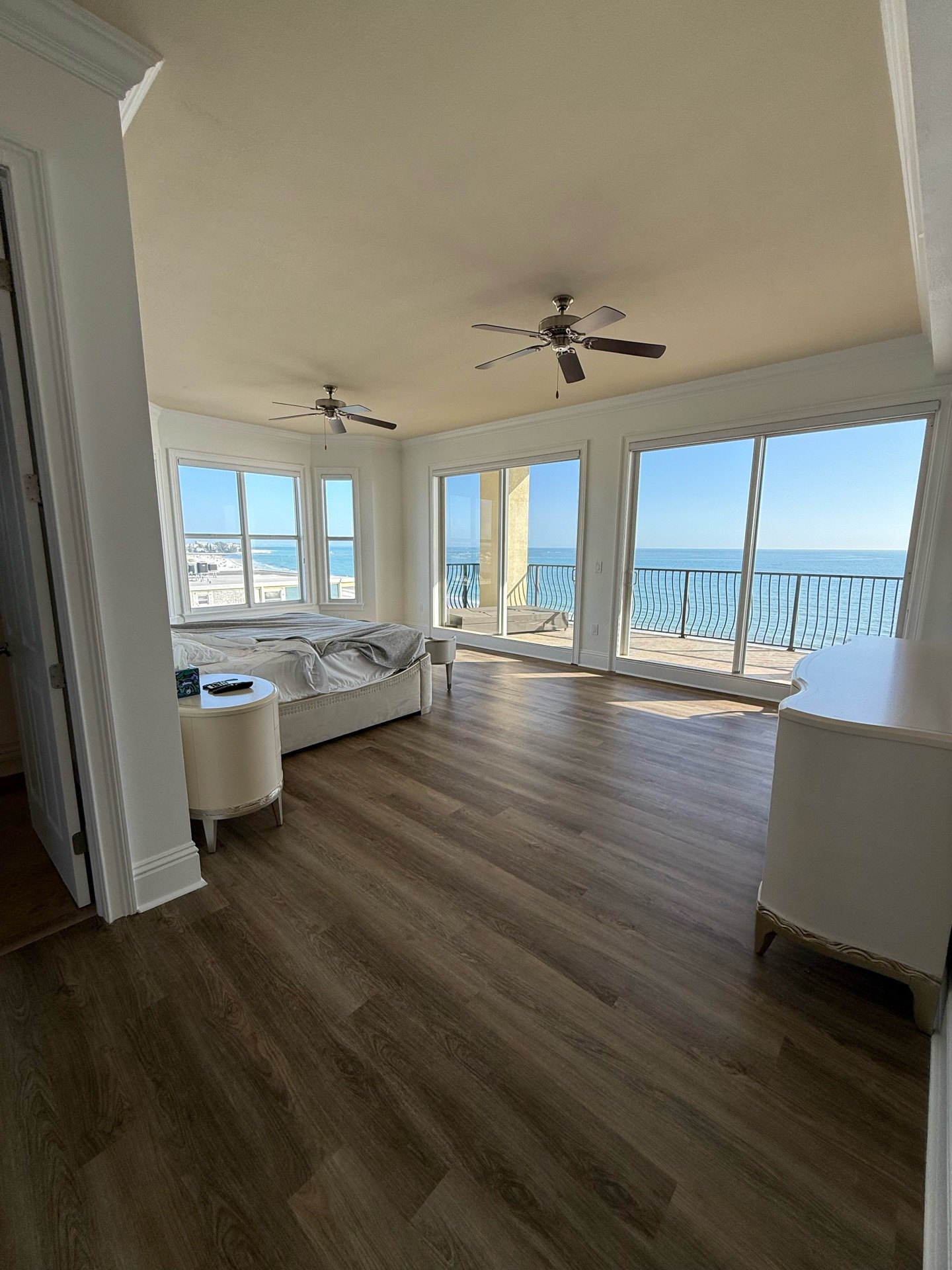
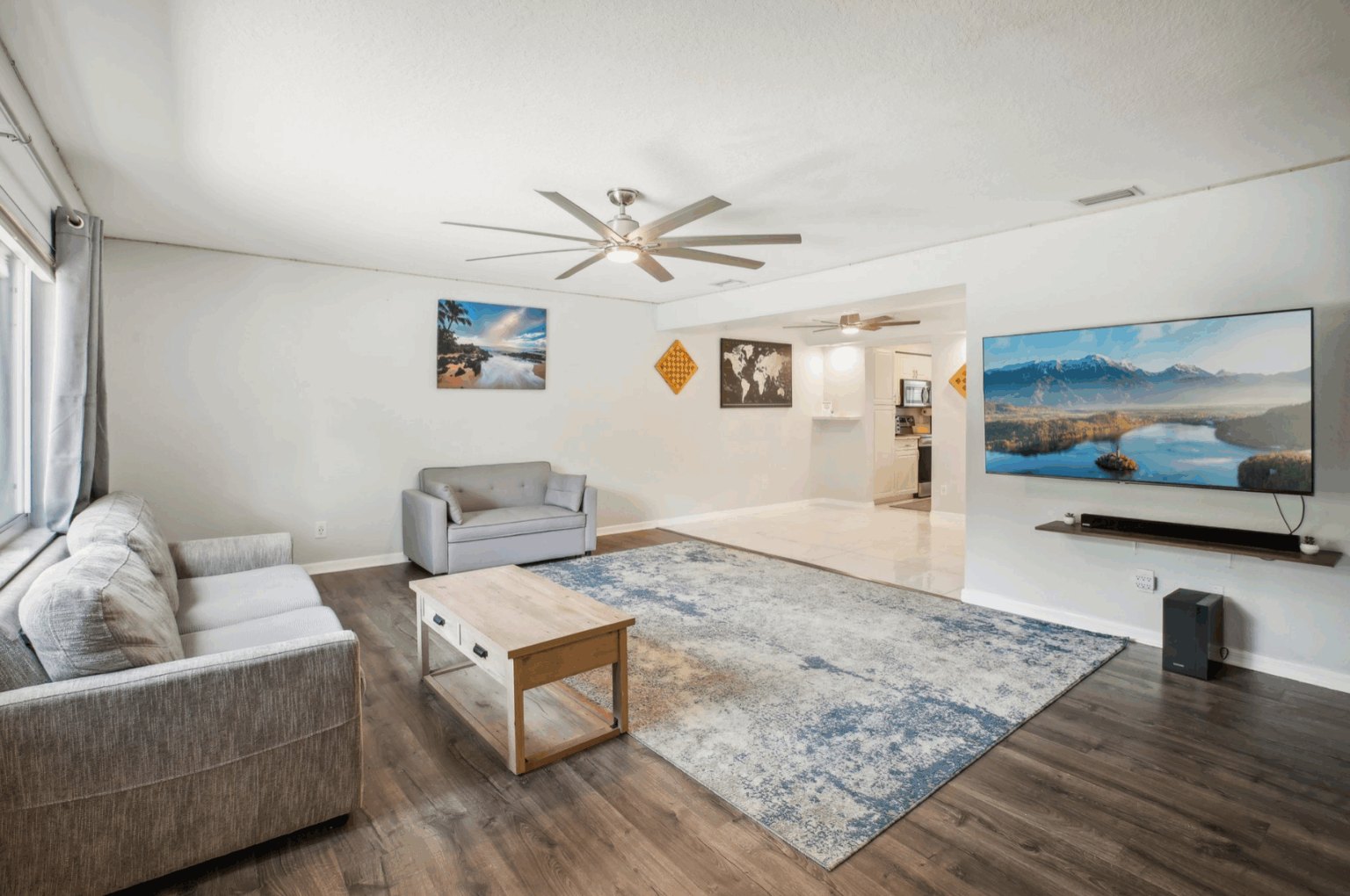
Tile or Luxury Vinyl Flooring
Both tolerate water far better than carpet or solid hardwood.
Moisture-Resistant Drywall and Insulation
Made for damp areas and slower to support mold.
PVC or Composite Trim
Baseboards and trim that do not swell or rot the way wood can.
Cabinets and Vanities Built for Moisture
Materials and finishes that resist swelling in kitchens and baths.
Upgrades Worth Making While the Walls Are Open
A rebuild is the cheapest time to add protection, because much of the house is already opened up.
Raise What You Can
Outlets, HVAC equipment, water heaters and appliances placed above expected water levels are less likely to be ruined next time. A licensed electrician or mechanical contractor confirms what is possible.
Improve Drainage
Better drainage around the house and, where it makes sense, a sump pump help move heavy rain away.
Stronger Openings
Impact-rated windows and doors resist wind and flying debris. Ask about them when you plan the rebuild.
Roof-to-Wall Connections
Hurricane straps and clips help hold the roof to the walls in high winds. A roofer or engineer can advise on your house.
Why a Licensed Contractor Matters After a Storm
After a hurricane, unlicensed crews often knock on doors offering fast, cheap repairs. Work done without a license can fail inspection, cause bigger problems later and leave you with little recourse.
Before you sign anything, look the contractor up on the Florida DBPR license search at myfloridalicense.com. Alliance Construction & Development holds Florida contractor license CBC1268307, and you are welcome to check it.
Rebuilding Room by Room
After a storm, it rarely makes sense to fix one room at a time on separate schedules. A full home remodel plans the kitchen, baths and living spaces together, so work happens in the right order and the finished house is consistent.
Every Alliance project comes with a dedicated Remodeling Advisor who walks the house with you and builds one plan and one schedule for the whole rebuild.
Common Questions
What Flooring Is Best After a Flood?
Porcelain or ceramic tile and luxury vinyl plank hold up best to water. Carpet and solid hardwood are the most likely to be ruined in another flood.
How Do I Check if a Florida Contractor Is Licensed?
Search the contractor’s name or license number on the Florida DBPR site, myfloridalicense.com. Alliance Construction & Development’s license number is CBC1268307.
Should I Rebuild One Room at a Time?
Usually not. Planning the whole rebuild together keeps work in the right order and the finished house consistent, and it is often less disruptive overall.